

Gut health has officially gone mainstream. From celebrity wellness routines to grocery store shelves, probiotics have become one of the most in-demand ingredients in modern nutrition. But as more brands jump on the trend, consumers — and supplement companies — are asking a bigger question: what exactly do probiotics do, and how do you manufacture them effectively?
Let’s break down the science, benefits, and future of probiotics in supplements — and what it takes to build a product that actually works.
Introduction: Why Probiotics Are So Popular
The rise of probiotics reflects a major shift in how consumers think about health. Instead of only addressing symptoms, people now focus on prevention and balance — starting with the gut.
A healthy gut microbiome influences everything from digestion and immunity to mood, energy, and even skin clarity. As awareness grows, probiotics have moved from niche wellness products to everyday essentials.
For supplement brands, this presents massive opportunity — but also responsibility. Success depends on understanding which strains to use, how to keep them alive, and how to position them effectively in a crowded market.
What Are Probiotics?
Definition and How They Work
Probiotics are live microorganisms — often bacteria or yeasts — that provide health benefits when consumed in adequate amounts. These beneficial microbes support balance in the gut by keeping harmful bacteria in check and promoting nutrient absorption.
In simple terms, probiotics are the “good guys” in your digestive system, maintaining harmony in an ecosystem that directly affects your overall wellness.
Sources of Probiotics
Probiotics naturally occur in fermented foods such as:
- Yogurt and kefir
- Kimchi and sauerkraut
- Tempeh and miso
- Kombucha
However, to ensure consistent potency and convenience, many consumers turn to probiotic supplements — which deliver concentrated, clinically tested strains in measured doses.
Benefits of Probiotics in Dietary Supplements
1. Digestive Health Support
Probiotics help restore gut balance, reducing bloating, gas, constipation, and diarrhea. They also support conditions like IBS (Irritable Bowel Syndrome) by calming inflammation and improving motility.
2. Immune System Benefits
Over 70% of the immune system lives in the gut. Probiotics strengthen this defense network by supporting the gut barrier, stimulating antibodies, and inhibiting harmful bacteria.
3. Mental Health and the Gut-Brain Connection
Emerging research links gut health to mental wellness. Certain probiotic strains, such as Lactobacillus rhamnosus and Bifidobacterium longum, have shown potential to reduce anxiety, stress, and mood imbalance through the gut-brain axis.
4. Skin and Allergy Relief
A balanced microbiome can lower inflammation, which may help with eczema, acne, and allergic reactions. Probiotics also strengthen the body’s tolerance against allergens by modulating immune response.
5. Overall Wellness
By improving nutrient absorption and reducing inflammation, probiotics contribute to better energy levels, hormonal balance, and general vitality. For wellness brands, this makes them a cornerstone ingredient for holistic health formulas.
Types of Probiotics Used in Supplements
1. Lactobacillus Strains
Commonly found in yogurt and fermented foods, Lactobacillus supports digestion and helps convert sugars into lactic acid. Popular strains include L. acidophilus and L. casei — known for improving gut balance and lactose digestion.
2. Bifidobacterium Strains
Found primarily in the colon, Bifidobacterium strains like B. bifidum and B. lactis help break down fiber, fight harmful bacteria, and support regular bowel movements.
3. Saccharomyces boulardii
This beneficial yeast acts as a probiotic that helps prevent diarrhea, restore flora after antibiotic use, and strengthen intestinal lining — making it a go-to for immune and gut health formulas.
4. Multi-Strain vs Single-Strain Supplements
Multi-strain probiotic supplements combine several bacteria species for broader benefits, while single-strain options target specific functions (like immune or digestive support).
For most consumers, multi-strain blends are the gold standard, offering balanced gut coverage and diverse benefits.
How Probiotics Are Added to Dietary Supplements
Manufacturing Process
Probiotic production involves a careful balance of science and stability:
- Culturing – Growing the selected strains under controlled conditions.
- Fermentation – Allowing bacteria to multiply and develop their active properties.
- Drying & Stabilization – Using methods like freeze-drying to preserve viability.
- Encapsulation – Protecting live cultures in capsules, powders, or gummies to ensure survival until they reach the gut.
The goal: keep those living organisms alive through manufacturing, storage, and digestion.
Forms of Probiotic Supplements
Probiotics are available in several delivery systems, each appealing to different audiences:
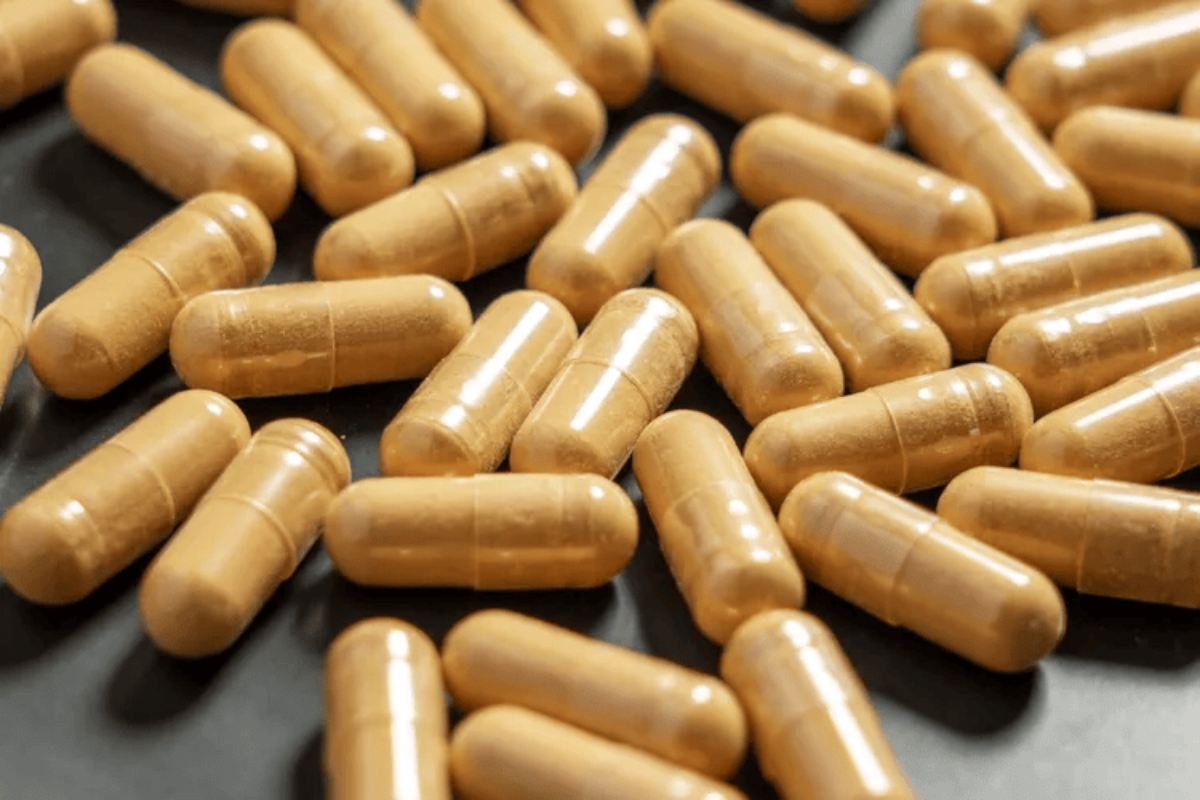
- Capsules: Classic and effective for precise dosing.
- Powders: Great for adding to smoothies or functional drinks.
- Gummies: Ideal for kids and lifestyle-focused consumers.
- Stick Packs or Sachets: Convenient, single-use on-the-go options.
Each format requires unique formulation techniques to maintain live bacteria stability.
Stability and Shelf Life
Probiotics are living organisms — meaning heat, moisture, and oxygen can destroy them. Manufacturers combat this by using protective coatings, desiccants, and airtight packaging.
Refrigeration isn’t always required for high-quality formulas, but proper encapsulation and storage make a big difference in preserving potency over time.
Who Should Consider Probiotic Supplements?
1. People with Digestive Issues
Those suffering from bloating, IBS, or irregular digestion can benefit from restoring healthy gut flora balance.
2. Individuals Taking Antibiotics
Antibiotics kill both harmful and beneficial bacteria — probiotics help rebuild what’s lost.
3. General Wellness Seekers
Anyone looking to improve energy, immunity, or overall gut function can benefit from daily probiotic supplementation.
Safety and Considerations
Are Probiotics Safe?
Yes — probiotics are widely considered safe for healthy individuals. Adverse effects are rare and usually mild, such as temporary gas or bloating as the gut adjusts.
Possible Side Effects
Some people experience mild digestive changes at first, which usually resolve within a few days. If symptoms persist, switching to a different strain or reducing dosage often helps.
Choosing the Right Probiotic Supplement
When formulating or choosing a probiotic, look for:
- CFU count (colony-forming units): Generally 1–10 billion per dose for daily use.
- Strain diversity: Multi-strain formulas offer more comprehensive benefits.
- Clinical validation: Use strains supported by research, not just generic blends.
- Proper packaging: Protects live bacteria from oxygen and humidity.
Probiotics vs. Probiotic-Rich Foods
Food Sources of Probiotics
Foods like yogurt, kefir, kimchi, and miso naturally contain probiotics. They’re a great addition to a balanced diet.
Advantages of Supplements Over Foods
Supplements offer controlled dosage, convenience, and longer shelf life. You know exactly which strains you’re consuming and at what potency — something that’s harder to guarantee from food sources alone.
The Future of Probiotics in Supplements
Personalized Nutrition and Gut Health
The future of probiotics is personal. As gut testing technology advances, brands will create customized probiotic formulas that match each person’s unique microbiome profile — optimizing digestion, immunity, and mood.
Emerging Research and Trends
New studies continue to uncover connections between probiotics and:
- Metabolism and weight management
- Cognitive performance and mood
- Skin microbiome balance
This evolving research is driving innovation across the supplement space, from gut-brain support to beauty-from-within formulations.
Final Thoughts: Building Smarter Gut Health Formulas
Probiotics aren’t just another trend — they’re a foundation of modern wellness. From digestion and immunity to mood and metabolism, these microscopic powerhouses play an outsized role in how we feel and function every day.
For supplement brands, the key to success is combining scientific credibility with smart formulation and packaging that keeps your probiotics potent and consumer trust strong.
Partner with Enhanced Labs
At Enhanced Labs, we specialize in creating custom probiotic supplements — from single-strain capsules to multi-strain blends, powders, and gummies.
We help brands develop products that balance clinical science, ingredient quality, and market appeal — delivering formulations that perform as well as they sell.
Whether you’re building your first gut health line or upgrading your current probiotic formulas, Enhanced Labs has the expertise, innovation, and flexibility to bring your vision to life.
Let’s build your next-generation probiotic supplement — designed for real results and long-term trust.