
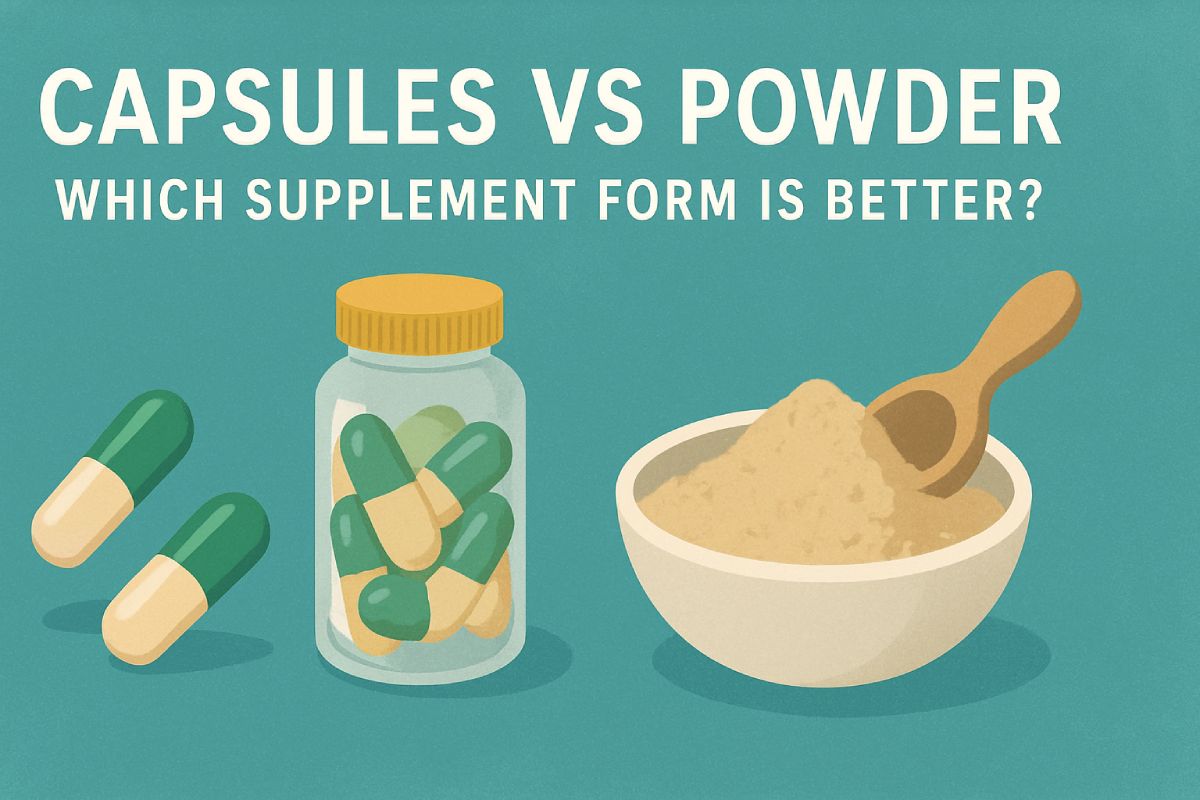
If you’ve ever stood in front of a shelf full of supplements wondering whether to grab a powder or a capsule, you’re not alone. Both forms deliver incredible results — but they do it in very different ways.
For supplement brands, the choice between capsules and powders isn’t just about format — it’s about absorption, experience, and audience preference. This guide breaks down the science, practicality, and market insights behind each form so you can make the best choice for your next formulation.
Introduction: Why Supplement Form Matters
In an industry that’s more competitive than ever, success often comes down to the details — like how your product looks, feels, and fits into a customer’s lifestyle.
Some people want the convenience of capsules they can take on the go. Others prefer powders they can blend into smoothies or pre-workout drinks. Each form offers its own advantages and challenges, from absorption rate to flexibility and flavor.
Understanding these differences helps you not only design better products but also position your brand effectively in the marketplace.
What Are Powder Supplements?
Definition and Common Uses
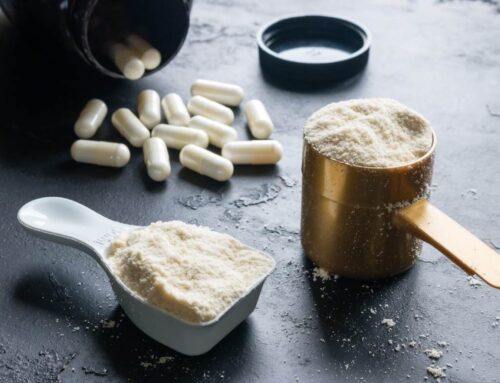
Powder supplements are finely milled blends of nutrients — such as proteins, amino acids, greens, or vitamins — meant to be mixed into liquids or foods. They’re especially popular for:
- Sports nutrition (protein, pre-workouts, creatine, electrolytes)
- Greens and superfood blends
- Meal replacements
- Functional wellness shots
Because powders offer precise control over serving size, they’re ideal for custom formulations and active lifestyles.
Advantages of Powder Supplements
- Faster Absorption – Powders enter the digestive system more quickly than capsules, often leading to faster nutrient uptake.
- Customizable Dosages – Users can adjust serving sizes easily.
- Mixability – Perfect for smoothies, shakes, and wellness drinks.
- More Ingredients Per Serving – Powders allow for complex formulas that wouldn’t fit inside a capsule.
- Visual & Flavor Appeal – Flavor systems, colors, and textures create sensory engagement that builds brand loyalty.
Drawbacks of Powder Supplements
- Taste Sensitivity: Some active ingredients have bitter or chalky flavors.
- Preparation Required: Not as convenient for on-the-go use.
- Storage Sensitivity: Moisture and humidity can affect consistency over time.
- Packaging Bulk: Larger containers can increase shipping and shelf space needs.
What Are Capsule Supplements?
Definition and Types
Capsules are small, easy-to-swallow enclosures that deliver nutrients in pre-measured doses. They come in various forms, including:
- Gelatin capsules – Derived from animal collagen, smooth texture.
- Vegan capsules – Made from plant cellulose (HPMC or pullulan).
- Time-release capsules – Designed for gradual nutrient delivery.
Capsules are the preferred choice for vitamins, minerals, herbal extracts, and targeted daily supplements.
Advantages of Capsules
- Convenience: Pre-measured, portable, and simple — no mixing or mess.
- No Taste or Odor: Ideal for bitter or strong-tasting actives.
- Longer Shelf Life: Sealed capsules protect ingredients from air and moisture.
- Professional Presentation: Sleek look and easy labeling create strong shelf appeal.
- Precise Dosing: Guarantees consistency per serving — perfect for compliance-focused brands.
Drawbacks of Capsules
- Fixed Dosage: Users can’t easily adjust serving size.
- Slower Absorption: Capsules must dissolve before nutrients enter the bloodstream.
- Size Limitations: Only small to medium ingredient loads fit per capsule.
- Higher Manufacturing Cost: More complex encapsulation and materials.
Powder vs Capsules: Key Differences
1. Absorption and Bioavailability
Powders typically absorb faster because they skip the capsule breakdown step. This makes them ideal for pre-workouts, energy formulas, or rapid-effect blends.
Capsules, on the other hand, offer controlled absorption — better for nutrients that perform best when released steadily, such as herbal extracts or vitamins.
2. Dosage Flexibility
Powders allow for adjustable serving sizes — consumers can fine-tune dosages to match their activity level or goals. Capsules deliver precision, ensuring consistent intake and compliance.
3. Convenience and Portability
Capsules win this category. They fit into pockets, pill organizers, and travel cases. Powders are great for daily routines but less practical for travel or quick use.
4. Cost and Shelf Life
Powders usually cost less to produce and package but may require larger containers. Capsules are slightly pricier to manufacture but last longer and maintain potency more effectively due to their airtight structure.
Which Form Is Better for Different Goals?
For Muscle Growth and Fitness
Powders are the top choice for athletes and fitness enthusiasts. They mix easily into shakes, pre-workouts, or smoothies and provide rapid amino acid delivery for muscle recovery and energy.
For General Health and Daily Use
Capsules are unbeatable for convenience — no prep, no cleanup, just grab and go. Perfect for daily vitamins, probiotics, and nootropics.
For Targeted or Medical Nutrition
Capsules shine when precision and compliance matter, like in clinical-grade formulas or specialized wellness products.
Safety and Quality Considerations
Whether you choose powders or capsules, product safety comes down to three key areas:
- Ingredient sourcing and purity – Always choose verified, traceable suppliers.
- Testing and transparency – Verify potency, allergens, and contaminants.
- Formulation integrity – Avoid unnecessary fillers, dyes, and artificial flavorings.
Clean formulations with full label transparency build consumer trust and repeat business.
Powder vs Capsules: Which Should You Choose?
Your decision should reflect your brand identity, audience, and product goals.
| Factor | Powder Supplements | Capsule Supplements |
| Absorption Speed | Fast | Moderate |
| Convenience | Requires prep | Easy & portable |
| Customization | High (dosage flexibility) | Fixed (precision dosing) |
| Shelf Life | Moderate | Long |
| Cost Efficiency | Lower | Slightly higher |
| Best For | Sports, hydration, performance | Vitamins, herbs, daily health |
Final Thoughts on Powder vs Capsules
Both forms have their strengths. Powders cater to performance-driven consumers who want flexibility and faster results, while capsules offer the simplicity and precision that busy individuals prefer.
For brands, the real opportunity lies in understanding your audience — are they gym-goers blending shakes, or wellness consumers looking for daily simplicity?
The best supplement companies don’t choose one or the other — they innovate with both to meet diverse needs.
Partner with Enhanced Labs
At Enhanced Labs, we manufacture both powder and capsule supplements with full formulation, flavoring, and packaging customization.
From sports nutrition to wellness and lifestyle products, our experienced team helps brands craft high-quality, market-ready supplements that stand out on shelves and deliver real results.
Whether you’re developing your first formula or expanding your line, Enhanced Labs provides the resources, expertise, and support to bring your vision to life.
Let’s build your next best-selling supplement — the way your customers want to take it.