
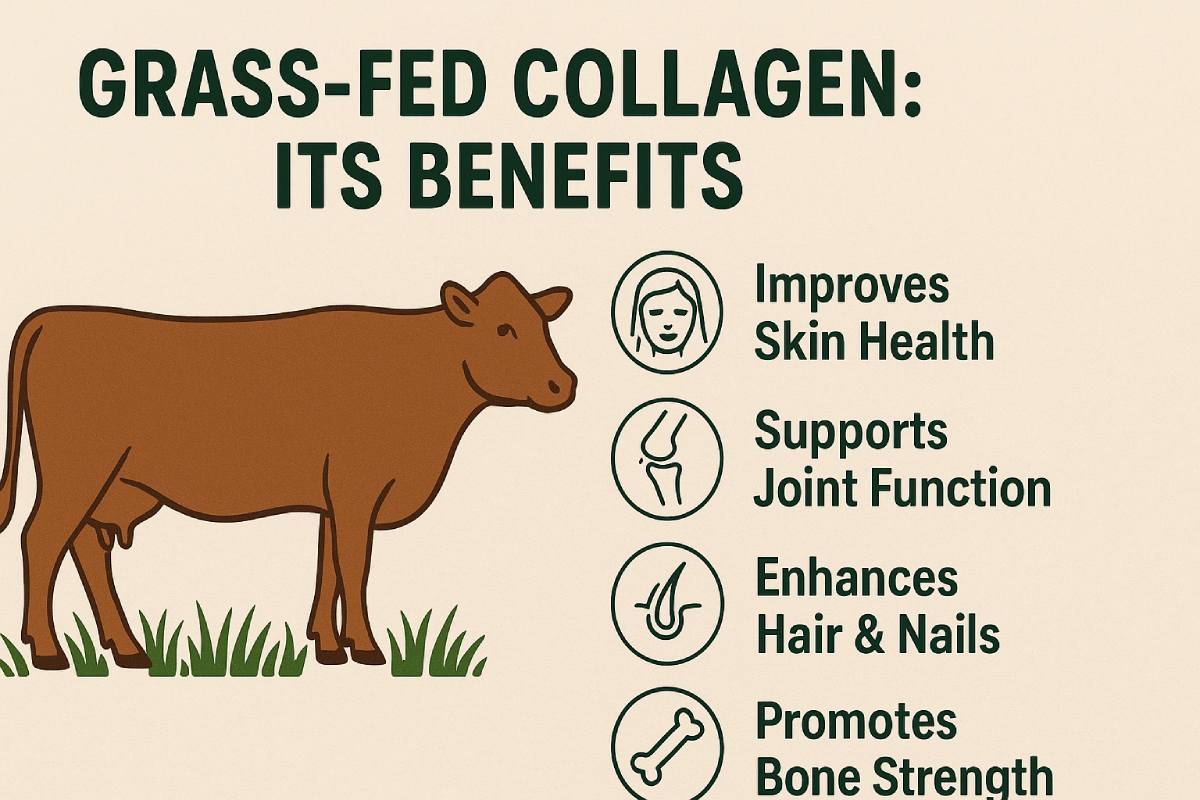
In the ever-evolving world of wellness, collagen has earned its reputation as one of the most talked-about ingredients on the market — and for good reason. It supports glowing skin, strong joints, healthy hair, and resilient muscles. But not all collagen is created equal. Enter grass-fed collagen — the cleaner, more ethical, and nutrient-rich version that’s redefining what premium supplements look like.
Whether you’re a brand formulating a collagen powder or a consumer looking to understand the hype, this guide breaks down what grass-fed collagen is, how it’s made, and why it’s become the gold standard in collagen supplements.
What Is Collagen?
Collagen is the most abundant protein in the human body, making up around 30% of total protein content. It acts as the glue that holds everything together — from your skin and bones to your muscles, ligaments, and connective tissues.
Unfortunately, collagen production naturally declines with age, starting in our mid-20s. That’s why wrinkles appear, joints stiffen, and recovery slows down. Supplementing with collagen helps replenish those levels, supporting smoother skin, stronger joints, and better recovery.
What Does “Grass-Fed” Mean?
The term grass-fed refers to the diet and living conditions of the animals the collagen comes from — usually cows. Grass-fed cattle are raised on pastures and fed a natural, grass-based diet rather than grain, corn, or processed feed.
This difference might sound small, but it has a major impact on the quality, purity, and nutrient profile of the resulting collagen. Grass-fed collagen is:
- Free from antibiotics, hormones, and artificial additives
- Higher in beneficial fatty acids and amino acid integrity
- More sustainable and ethically sourced
For today’s conscious consumers, “grass-fed” isn’t just a buzzword — it’s a mark of quality and transparency.
How Grass-Fed Collagen Is Made
The process of creating grass-fed collagen starts with pasture-raised bovine hides — the natural source of collagen peptides. Here’s how it works:
- Sourcing: Collagen is extracted from the hides of grass-fed cattle raised on open pastures.
- Hydrolysis: The raw collagen is broken down through enzymatic hydrolysis into smaller peptides, improving digestibility and absorption.
- Purification: The hydrolyzed collagen is filtered and dried into a fine powder, creating what’s known as collagen peptides or hydrolyzed collagen.
- Testing and Packaging: The final product is tested for purity, heavy metals, and contaminants before being flavored, blended, or packaged into supplements.
The result is a high-quality, neutral-tasting protein powder that dissolves easily and can be added to drinks, smoothies, and functional foods.
The Benefits of Grass-Fed Collagen
1. Skin Health and Anti-Aging
Collagen supplementation has been shown to improve skin elasticity, hydration, and firmness, helping reduce wrinkles and fine lines. Grass-fed collagen is rich in amino acids like glycine and proline, which are essential for skin regeneration.
2. Joint and Bone Support
Collagen provides structure and cushioning for joints. Studies show that collagen peptides may help reduce joint discomfort, increase mobility, and support cartilage repair — especially beneficial for athletes or aging adults.
3. Hair and Nail Growth
Amino acids in collagen stimulate keratin production, promoting stronger nails and thicker, shinier hair. Many users notice visible results within 6–8 weeks of consistent use.
4. Muscle Recovery and Strength
Collagen supports connective tissue repair and muscle regeneration, making it a perfect post-workout supplement. When paired with resistance training, it can help improve lean muscle mass.
5. Gut Health
Collagen may strengthen the gut lining and improve digestive integrity. It’s often included in gut health and anti-inflammatory formulations for its soothing effect on the intestinal wall.
6. Sleep and Mood Support
Glycine, one of collagen’s key amino acids, promotes relaxation and supports better sleep quality. For brands, that makes collagen a versatile ingredient that fits into both beauty and wellness formulas.
Why Grass-Fed Collagen Stands Out
Not all collagen products are created equal. Grass-fed collagen stands apart because it checks all the boxes that today’s consumers care about:
- Ethical sourcing: Pasture-raised cattle, no feedlot conditions
- Clean label: Free from GMOs, artificial ingredients, and antibiotics
- Better nutrient retention: Naturally preserved amino acid integrity
- Sustainability: Environmentally responsible farming and processing
Brands that use grass-fed collagen signal premium quality and earn stronger trust with wellness-conscious audiences.
Grass-Fed vs. Conventional Collagen
| Feature | Grass-Fed Collagen | Conventional Collagen |
| Source | Pasture-raised cattle | Grain-fed, industrial cattle |
| Purity | Hormone and antibiotic-free | May contain residues |
| Amino Acid Profile | Balanced, natural, high in glycine and proline | Varies with feed quality |
| Environmental Impact | Sustainable and ethical | Higher emissions and waste |
| Consumer Appeal | Premium and clean-label | Standard mass-market |
For brands targeting discerning consumers, grass-fed collagen offers both a functional and marketing advantage.
Popular Forms of Grass-Fed Collagen
- Collagen Peptides: The most common form; dissolves easily in hot or cold liquids.
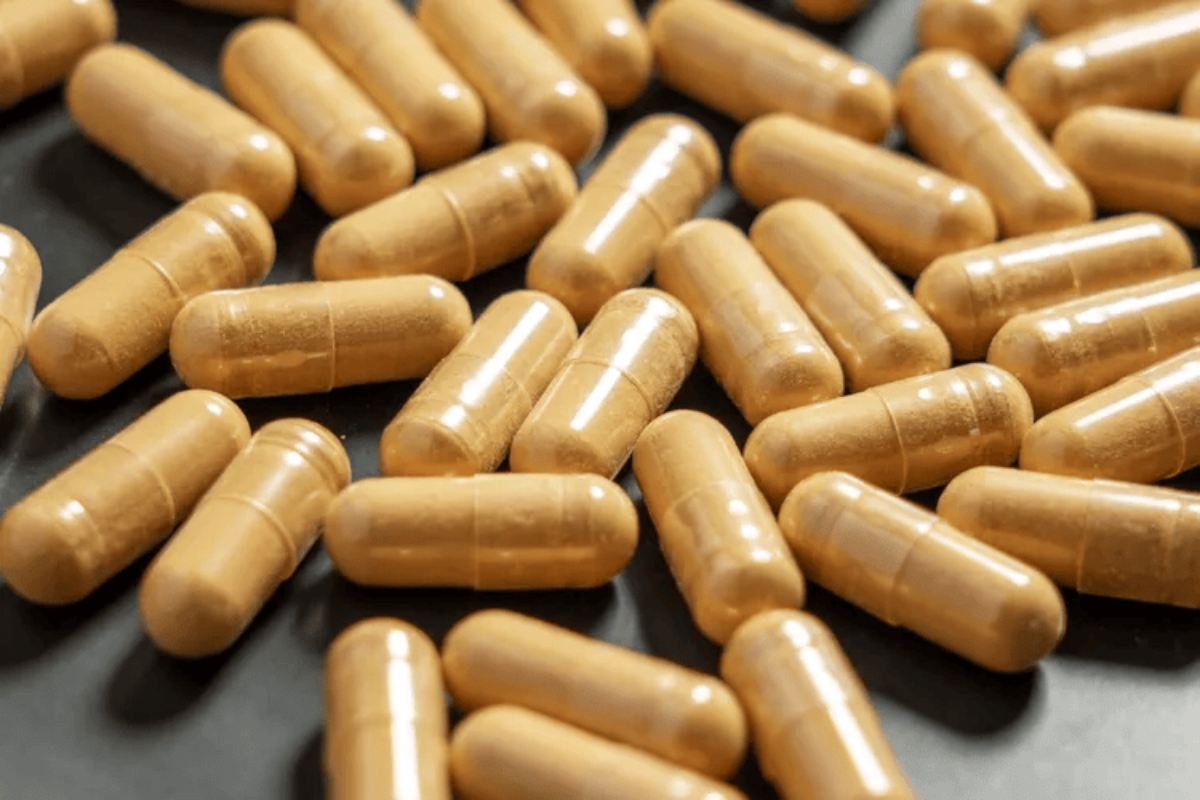
- Collagen Capsules: Convenient and pre-measured for daily use.
- Flavored Powders: Blends designed for taste and functionality, often paired with Vitamin C, hyaluronic acid, or adaptogens.
- Functional Beverages: Collagen-infused coffees, teas, and ready-to-drink shots are trending in beauty and fitness circles.
Formulation and Branding Tips for Supplement Companies
1. Combine Functionality
Pair collagen with synergistic nutrients like Vitamin C (essential for collagen synthesis), biotin, or hyaluronic acid for enhanced skin and joint benefits.
2. Optimize Texture and Flavor
Grass-fed collagen has a neutral taste, but flavor innovation helps brands stand out. Consider vanilla, berry, chocolate, or tropical fruit profiles to appeal to wider audiences.
3. Educate Consumers
Transparency sells. Highlight the “grass-fed” difference in your marketing — show where your collagen comes from and why sourcing matters.
4. Choose the Right Format
Identify your audience. Fitness enthusiasts may prefer powders and shakes, while lifestyle consumers gravitate toward capsules or drink mixes.
Trends in the Collagen Market
- Beauty-from-Within Movement – Collagen is now as much about skincare as it is about nutrition.
- Clean Label Formulas – “Grass-fed,” “non-GMO,” and “sugar-free” dominate premium categories.
- Collagen with a Twist – Brands are pairing collagen with adaptogens, probiotics, and antioxidants for added wellness value.
- On-the-Go Formats – Stick packs and RTD beverages are gaining traction for busy consumers.
Final Thoughts: Why Grass-Fed Collagen Is Worth It
Grass-fed collagen is more than a trend — it’s the future of protein supplementation. It aligns with the modern consumer’s desire for clean, ethical, and effective nutrition while delivering tangible beauty, joint, and wellness benefits.
For brands, it offers a perfect blend of function, transparency, and storytelling — three pillars of success in today’s supplement industry.
Partner with Enhanced Labs
At Enhanced Labs, we help brands create custom collagen supplements that combine quality, performance, and consumer appeal. Whether you’re developing a grass-fed collagen powder, capsule, or ready-to-drink formula, our team handles everything from formulation and flavoring to packaging and branding.
We use premium grass-fed collagen peptides sourced for purity, taste, and sustainability — ensuring your product delivers both results and trust.
Let’s build your next collagen best-seller — ethically sourced, scientifically backed, and built for beauty and wellness.