

The immune system is the body’s built-in defense network — always on guard, protecting us from bacteria, viruses, and everyday stressors. But in our fast-paced world filled with stress, poor sleep, and nutrient-depleted diets, that system needs some backup. Enter: immune support supplements.
From elderberry to zinc and Vitamin D, immune supplements have become one of the most trusted categories in health and wellness. For consumers, they represent peace of mind. For supplement brands, they represent a powerful opportunity to deliver science-backed, high-demand formulas that make a real difference.
In this guide, we’ll explore how immune support supplements work, the ingredients behind them, and how brands can create products that truly stand out in a saturated market.
Understanding the Immune System
Before diving into supplements, it’s important to understand what the immune system actually does.
The immune system is a complex network of cells, tissues, and organs that work together to fight infection and maintain balance. It operates on two levels:
- Innate Immunity: The body’s first line of defense — quick, nonspecific, and always active.
- Adaptive Immunity: A specialized system that “remembers” pathogens and responds faster next time.
When functioning properly, it keeps us healthy. When compromised — due to stress, poor nutrition, lack of sleep, or environmental toxins — we become more vulnerable to illness and fatigue.
Why Immune Support Supplements Matter
Even the best diets can leave nutritional gaps. Immune health relies on consistent intake of certain vitamins, minerals, and antioxidants, which are often lacking in modern diets.
Immune support supplements fill those gaps and help the body maintain resilience — especially during times of high stress, seasonal change, or illness exposure.
For brands, the category continues to grow because consumers want preventive wellness solutions — not just reactive ones.
Top Ingredients for Immune Support Supplements
1. Vitamin C
Perhaps the most iconic immune nutrient, Vitamin C helps stimulate white blood cell production and protect against oxidative stress. It’s also a vital cofactor for collagen synthesis, aiding in tissue repair and skin defense.
Popular delivery formats:
- Powders (for drink mixes)
- Chewable gummies
- Capsules
2. Vitamin D3
Known as the “sunshine vitamin,” Vitamin D3 regulates immune response and supports the body’s natural defenses. Low Vitamin D levels have been linked to higher infection rates and slower recovery times.
Brands often pair D3 with zinc or elderberry to create complete daily immune formulas.
3. Zinc
Zinc is essential for immune cell development and communication. It also helps reduce the duration of colds and supports the body’s antioxidant defenses.
Because of its broad benefits, zinc is one of the most used minerals in immune supplements — found in capsules, lozenges, and shots.
4. Elderberry
Elderberry extract is rich in anthocyanins, which have antiviral and anti-inflammatory properties. It’s a popular natural ingredient for cold and flu formulas, and it gives products a visually appealing dark purple color and fruity flavor profile.
5. Echinacea
This flowering herb helps stimulate immune activity and has been used for centuries to support respiratory and cold-season wellness. Modern supplement formulations often include echinacea in capsule blends or herbal tinctures.
6. Probiotics
A large part of the immune system lives in the gut. Probiotic strains like Lactobacillus and Bifidobacterium support gut balance and strengthen immune signaling — making probiotics an ideal complementary ingredient in immune formulations.
7. Adaptogens
Herbs like ashwagandha, rhodiola, and reishi mushroom support stress resilience, indirectly boosting immunity by regulating cortisol levels.
Combining adaptogens with classic immune nutrients creates holistic wellness formulas that go beyond infection prevention.
Popular Delivery Formats
1. Capsules
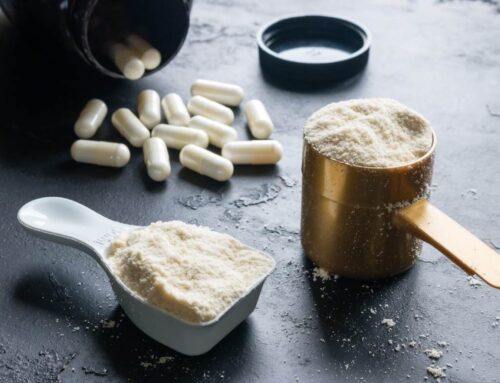
The most traditional and reliable format, capsules are ideal for combining multiple immune ingredients in one serving. They’re portable, stable, and preferred by wellness-focused consumers.
2. Powders and Drink Mixes
Powders allow for higher doses and flavor innovation. Popular immune powders often include Vitamin C, electrolytes, and antioxidants for hydration and defense.
3. Gummies
For brands targeting lifestyle consumers, gummies make immune support fun, flavorful, and approachable. They’re especially popular with families and younger audiences.
4. Liquid Shots
Fast-acting and portable, 2 oz. immune shots offer concentrated blends of Vitamin C, D3, zinc, and elderberry — an ideal format for travel, retail, and on-the-go consumers.
Formulation Tips for Brands
1. Prioritize Science-Backed Ingredients
Consumers today expect formulas backed by clinical research. Highlight evidence-based ingredients and use standardized extracts when possible.
2. Balance Function and Flavor
Immunity blends often include bitter herbs or minerals — but taste matters. Partner with experienced formulators who can mask strong flavors using natural sweeteners or fruit powders.
3. Optimize Absorption
Certain nutrients like Vitamin D3 and zinc require supporting cofactors or delivery systems for optimal bioavailability. Pair them with healthy fats, chelated minerals, or liposomal technology.
4. Be Transparent
Consumers value honesty. Avoid proprietary blends and clearly list dosages on the label — transparency builds trust and repeat purchases.
Emerging Trends in Immune Health
1. Year-Round Immunity
Immunity isn’t just for flu season anymore. Consumers now take immune blends daily for overall wellness and energy.
2. Holistic Formulas
Brands are moving beyond single-ingredient capsules to comprehensive formulas that combine vitamins, adaptogens, and probiotics.
3. Functional Beverages
Immunity-focused drinks and shots are one of the fastest-growing formats, offering convenience and experience in one.
4. Natural and Clean-Label Products
“Artificial-free” and “sugar-free” claims resonate strongly with health-conscious consumers. Clean-label immunity products perform better both online and in retail.
Safety and Quality Considerations
Immune supplements must deliver potency without overstimulation. Always use clinically appropriate dosages, and ensure your formulations are safe for long-term use.
Keep an eye on ingredient stability, especially with Vitamin C and herbal extracts, which can degrade over time without proper storage or encapsulation.
Marketing Strategies for Immune Supplements
- Highlight Results: Focus on tangible outcomes — “less downtime,” “stay healthy year-round,” or “your daily immune shield.”
- Educate the Consumer: Use blogs, infographics, and short videos to explain how your ingredients work.
- Leverage Seasonal Peaks: Cold and flu season (fall/winter) and travel-heavy months (spring/summer) are ideal campaign windows.
- Offer Variety: Include gummies, shots, and powders to reach multiple audience types — from wellness enthusiasts to busy professionals.
Final Thoughts: Building Immunity for Modern Life
Immune health is no longer a niche — it’s a lifestyle. Today’s consumers want products that don’t just fight illness but help them feel stronger, balanced, and ready for anything.
For supplement brands, this category offers a powerful combination of demand, science, and purpose — the foundation of every successful product line.
Partner with Enhanced Labs
At Enhanced Labs, we help brands create immune support supplements that combine efficacy, taste, and visual appeal — all designed for real results and lasting trust.
From capsules and powders to gummies and liquid shots, we specialize in crafting custom formulations that stand out on the shelf and deliver performance your customers can feel.
Whether you’re launching your first immunity product or expanding your existing line, Enhanced Labs provides the expertise, flavor development, and innovation to help your brand thrive.
Let’s build the next immunity bestseller — powered by science, made for modern wellness.