
If you’ve spent any time in the world of fitness, sports nutrition, or supplement development, you’ve heard of BCAAs. Short for branched-chain amino acids, these three powerhouse nutrients — leucine, isoleucine, and valine — are behind some of the most effective performance and recovery products on the market.
But if you’re exploring private label BCAA manufacturing, there’s a lot more to know than what’s on the label. From understanding what BCAAs really do, to how they’re sourced, produced, and blended into high-quality supplements — this guide will take you through everything.
Whether you’re a startup looking to create your first sports nutrition product or an established brand expanding your line, here’s how to unlock the full potential of BCAAs with the right manufacturing partner.
What Are BCAAs?
Definition and Basic Function
BCAAs — Leucine, Isoleucine, and Valine — are essential amino acids, meaning the human body cannot produce them naturally. They must be consumed through food or supplementation.
These amino acids are unique because of their branched chemical structure, which gives them special metabolic roles — particularly in muscle tissue. While most amino acids are processed in the liver, BCAAs are metabolized directly in the muscles, where they help with energy production, repair, and recovery.
In short: they’re the building blocks that help your body recover faster, train harder, and perform better.
Types of BCAAs
- Leucine – The anabolic driver. It’s the most studied of the three and primarily stimulates muscle protein synthesis.
- Isoleucine – The endurance supporter. It aids in energy production during workouts and helps regulate blood sugar.
- Valine – The balancer. It supports overall muscle coordination and mental focus during intense training.
Together, these three form a synergistic trifecta that fuels muscle growth and reduces fatigue.
BCAAs vs. Other Amino Acids
Unlike other essential amino acids that assist in general bodily functions, BCAAs are performance-focused. They directly influence exercise recovery and muscle preservation, making them a cornerstone ingredient in sports nutrition and pre/post-workout supplements.
That’s why you’ll see them featured prominently in powders, ready-to-drink formulas, and capsules targeted toward athletes and active consumers.
Why Are BCAAs Important in Sports Nutrition?
Role in Muscle Recovery and Growth
After intense workouts, the body breaks down muscle protein. BCAAs — especially leucine — trigger muscle protein synthesis (MPS), which is the process of rebuilding muscle fibers. Regular supplementation can reduce soreness and speed up recovery, allowing athletes to train more frequently with less downtime.
Energy Production and Endurance
During exercise, your body uses glycogen for energy. Once those stores deplete, fatigue sets in. BCAAs can be converted into glucose within muscle tissue, providing an alternative energy source and preventing performance drops during prolonged training.
Benefits for Athletes and Fitness Enthusiasts
- Reduced muscle soreness (DOMS)
- Enhanced muscle repair and growth
- Improved endurance during training
- Reduced mental fatigue
- Support for lean muscle retention during calorie deficit
For brands, these benefits make BCAAs one of the most marketable and effective supplement ingredients available today.
What Are BCAAs Made From?
Common Raw Materials Used
BCAAs can be derived from various sources. Historically, they were produced through fermentation or hydrolysis of animal by-products like feathers or hair. However, modern processes favor plant-based fermentation, which provides cleaner, vegan-friendly amino acids with higher purity.
Synthetic vs. Natural Sources
- Synthetic BCAAs are chemically produced and can be less bioavailable or carry impurities.
- Natural Fermented BCAAs are derived from non-GMO corn or soy and produced through microbial fermentation — a method preferred by high-quality manufacturers due to its sustainability, safety, and purity.
What Is a BCAA Blend?
A BCAA blend typically refers to a specific ratio of the three amino acids. The most common ratio is 2:1:1 (Leucine:Isoleucine:Valine), which closely mirrors the body’s natural composition.
Advanced formulas may use 4:1:1 or 8:1:1 ratios, emphasizing leucine for anabolic strength. Some brands even add electrolytes, glutamine, or hydration minerals for performance enhancement.
The BCAA Manufacturing Process Explained
Step-by-Step Production Workflow
- Raw Material Sourcing – The manufacturer sources pharmaceutical-grade BCAA powder, typically from verified suppliers.
- Weighing & Blending – Ingredients are carefully weighed and blended in precise ratios to achieve consistency.
- Flavoring & Formulation – Natural and artificial flavor systems are added to improve taste and mixability.
- Testing & Quality Control – Samples are tested for potency, purity, heavy metals, and microbial content.
- Packaging & Labeling – The final product is packaged into tubs, sachets, capsules, or RTD bottles depending on client needs.
Each stage requires strict control to ensure the finished product is cGMP-compliant, shelf-stable, and meets label claims.
Quality Control and Testing
Leading BCAA supplement manufacturers implement rigorous testing protocols — from raw ingredient inspection to final product verification. Analytical testing includes:
- HPLC analysis for amino acid concentration
- Microbial testing for safety
- Heavy metal screening
- Stability testing to ensure shelf life
These quality checks help maintain trust and compliance, particularly when producing for large retail or export markets.
Flavoring, Formulation, and Delivery Forms
BCAAs are naturally bitter, which presents a challenge for taste profiles. Enhanced Labs and other advanced facilities use masking agents, natural sweeteners, and advanced flavor systems to create products that taste as good as they perform.
Common delivery forms include:
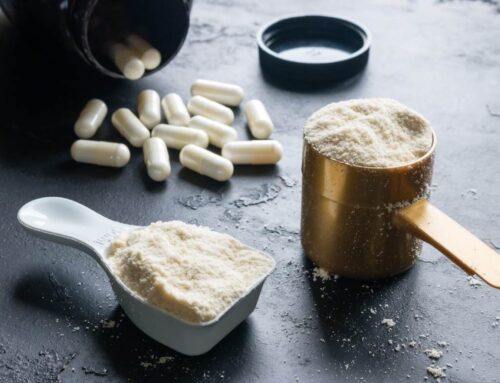
- Powders (most popular)
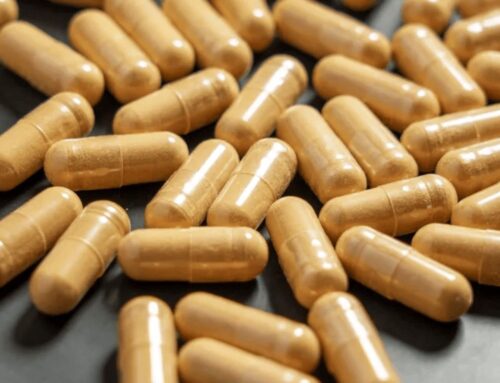
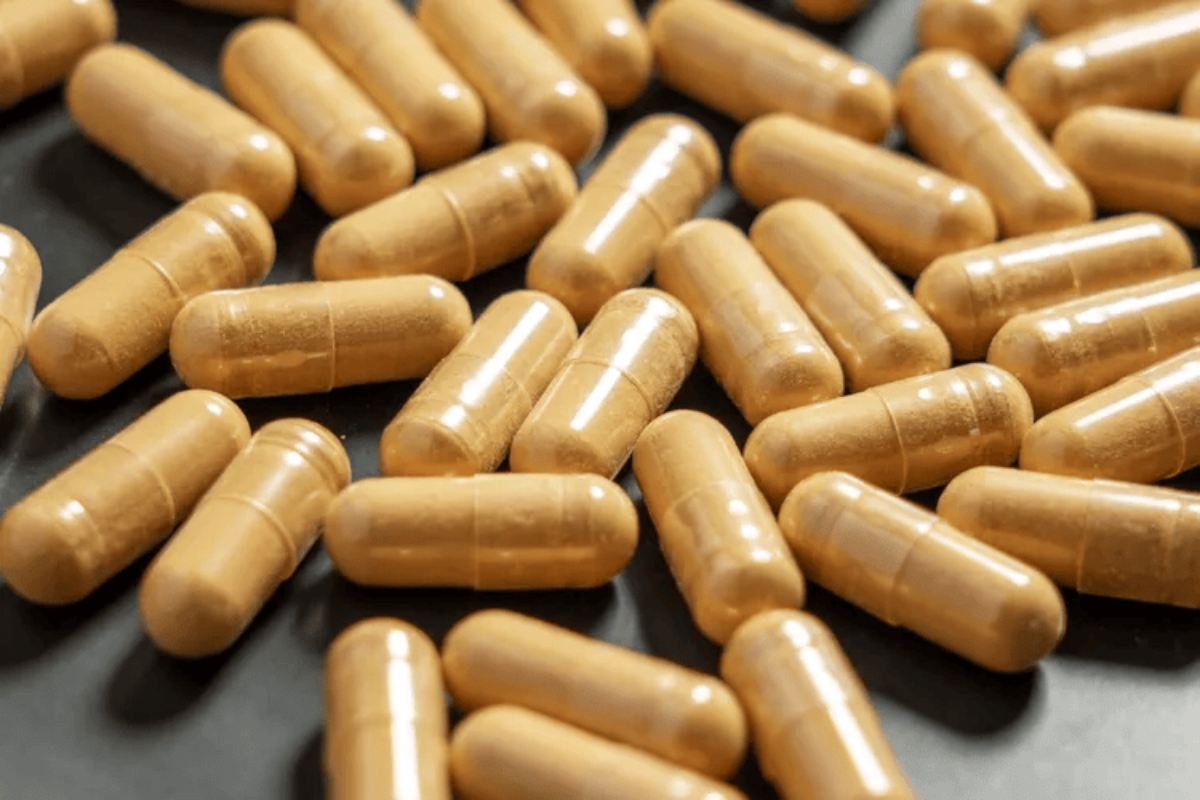
- Capsules
- Effervescent tablets
- RTD drinks or stick packs
Customization is key — the right format depends on your target audience and brand positioning.
Private Label BCAA Manufacturing
What Is Private Label Manufacturing?
Private label manufacturing allows businesses to create custom BCAA supplements without owning a production facility. You control the formula, packaging, and branding, while a trusted manufacturer handles production, compliance, and fulfillment.
Working with a BCAA Manufacturer
When you work with a professional BCAA manufacturer like Enhanced Labs, you gain access to:
- Expert formulation support
- Ingredient sourcing and R&D
- Flavor development
- Label design guidance
- Fast turnaround times
This partnership approach helps you scale quickly and bring unique BCAA blends to market faster than competitors.
Custom Formulation and Branding Options
The best private label programs allow for full customization — from dosage ratios and sweetener types to color, texture, and packaging formats.
You can also incorporate trending add-ons like electrolytes, coconut water powder, or adaptogens to differentiate your BCAA blend in a crowded market.
Choosing the Right BCAA Supplement Manufacturer
Questions to Ask a Manufacturer
Before signing a contract, make sure to ask:
- What’s your minimum order quantity (MOQ)?
- Do you offer custom formulations or only stock blends?
- How do you manage flavor masking for bitter actives?
- Can I request sample batches or pilot runs?
- What’s your average turnaround time?
Transparency during the early stages builds trust — and prevents costly surprises later.
Turnaround Time and MOQ Considerations
While smaller runs may appeal to startups, experienced manufacturers can optimize scale without compromising quality. Expect lead times of 6–10 weeks, depending on ingredient availability, packaging, and testing needs.
How to Market and Label BCAA Supplements
Required Label Information
To stay compliant, every BCAA supplement label must include:
- Serving size and amino acid ratios
- Nutritional panel
- Allergen declarations
- Manufacturer’s information
- FDA disclaimer (for dietary supplements)
Claims and Compliance Guidelines
Stick to structure/function claims that describe benefits (e.g., “supports muscle recovery”) rather than medical claims (“treats muscle injury”). Your manufacturing partner can guide you through this to ensure compliance.
Selling to Fitness and Retail Markets
The BCAA category remains a top seller in sports nutrition. With proper positioning — such as “vegan fermented BCAAs” or “clean recovery formulas” — brands can reach both hardcore athletes and everyday wellness consumers.
Frequently Asked Questions (FAQs)
What’s the difference between BCAAs and other amino acids?
BCAAs are metabolized in muscles, not the liver, giving them a direct impact on performance and recovery.
Do BCAAs help with muscle recovery?
Yes — multiple studies confirm their role in reducing soreness and promoting protein synthesis.
Are there vegan sources of BCAAs?
Absolutely. Most high-end BCAAs today are made from plant-based fermentation using corn or soy.
How are flavored BCAA powders made?
They’re mixed with flavoring agents, citric acid, and natural sweeteners to create a palatable and smooth taste profile.
Final Thoughts: Building a Winning BCAA Brand
The BCAA market is booming, and with consumer demand for clean, effective, and great-tasting sports supplements on the rise, now’s the time to innovate.
Whether you want to create a classic 2:1:1 formula or a custom recovery blend with unique flavors and added actives, success starts with the right manufacturing partner.
Partner with Enhanced Labs
At Enhanced Labs, we specialize in custom BCAA supplement manufacturing — from formulation and flavor development to packaging and regulatory support. Our 50,000 sq. ft facility in Miami is built to handle both small pilot runs and large-scale production with precision and care.
We help brands create products that taste incredible, perform better, and stand out on the shelf.
If you’re ready to build your next BCAA supplement or expand your sports nutrition line, reach out to Enhanced Labs today, where innovation meets manufacturing excellence.