

Introduction: Capsules vs Tablets — Why It Matters
If you’ve ever stood in the supplement aisle or browsed online, you’ve probably asked yourself: What’s the difference between a capsule and a tablet?
From the outside, they might just look like different shapes of pills, but the capsule vs tablet debate runs much deeper. The choice isn’t just about appearance—it impacts absorption, taste, price, shelf life, consumer appeal, and even your brand’s bottom line if you’re manufacturing supplements.
At Enhanced Labs, we help health and wellness brands launch private label supplements, white label products, and custom formulations. That means we live and breathe these decisions daily and we know that the right choice between capsules and tablets can make or break how your product performs in the market.
So whether you’re a curious consumer or a brand ready to launch your next big product line, this guide will take you through everything you need to know about capsules vs tablets in 2025.
What is a Tablet?
A tablet is one of the most common dosage forms in the world. Think of that little chalky disc you swallow with water—or the chewable vitamin you had as a kid.
Common Ingredients in Tablets
Tablets are made by compressing powdered ingredients into a solid form. Along with the active ingredient (like Vitamin C), they often contain:
- Binders (to hold everything together)
- Fillers (to bulk up small doses)
- Disintegrants (to help the tablet break down in your stomach)
- Coatings (to make swallowing easier or mask unpleasant tastes)
How Are Tablets Manufactured?
Tablet production is efficient and scalable. The powders are mixed, compressed with tons of pressure, and sometimes coated for stability or taste. This makes them affordable and consistent—perfect for large-scale production.
Types of Tablets
- Chewable tablets (think children’s vitamins)
- Coated tablets (easier to swallow, mask flavor)
- Effervescent tablets (dissolve in water for a fizzy drink)
- Sublingual tablets (placed under the tongue for faster absorption)
What is a Capsule?
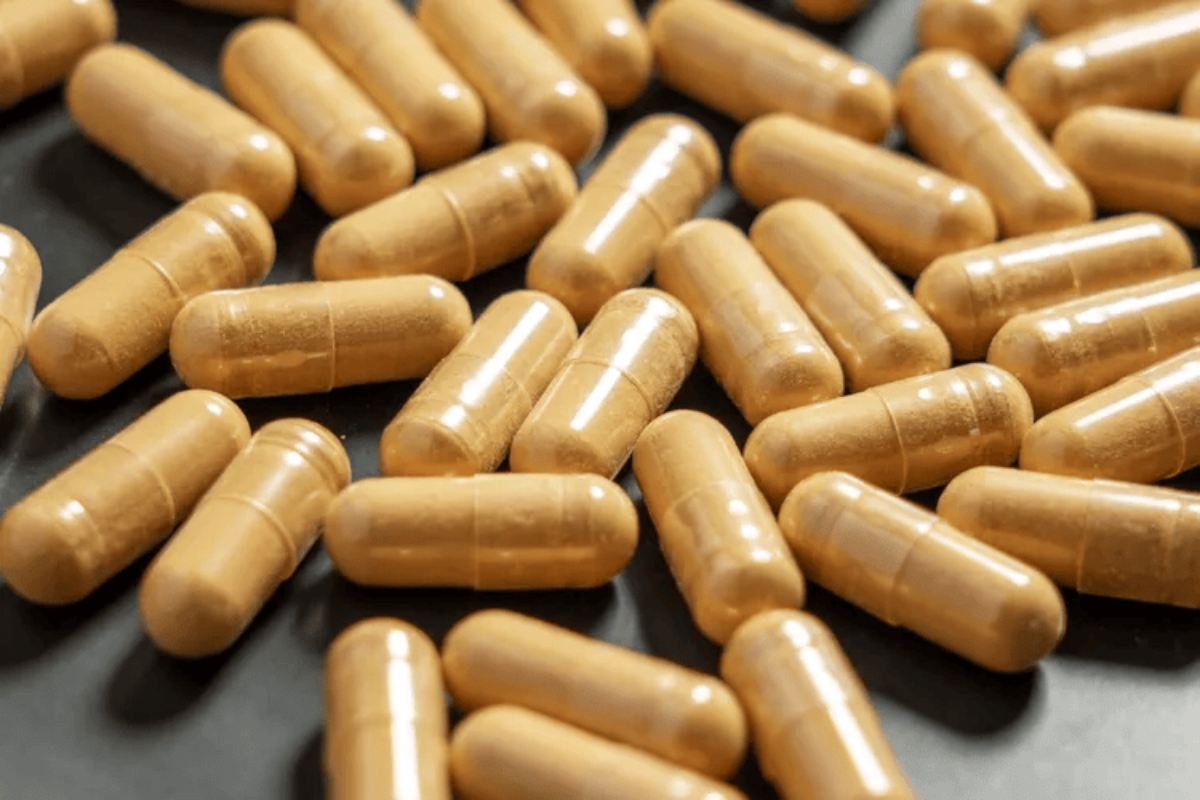
A capsule is a small container usually made of gelatin or a vegan alternative that holds powdered or liquid ingredients.
What Are Capsules Made Of?
- Gelatin capsules: Derived from animal collagen, common in softgels.
- Vegan capsules: Made from plant-based cellulose (like HPMC).
How Do Capsules Work in the Body?
Once swallowed, capsules dissolve quickly in the stomach, releasing their contents for absorption. Depending on the formulation, this can happen faster than with some tablets.
Types of Capsules
- Hard-shell capsules: Two pieces that lock together, usually filled with dry powder or pellets.
- Softgel capsules: One-piece capsules filled with liquid or oil-based ingredients.
Key Differences Between Tablets and Capsules
When it comes to capsule vs tablet, here are the core differences:
Bioavailability and Absorption
- Capsules often dissolve faster, meaning quicker absorption.
- Tablets may have slower release but can be engineered for timed or extended release.
Taste, Size, and Ease of Swallowing
- Capsules mask bitter tastes better.
- Tablets can sometimes be larger and harder to swallow.
Shelf Life and Stability
- Tablets are generally more stable and last longer.
- Capsules may be sensitive to heat and humidity.
Price and Production Cost
- Tablets are cheaper to make.
- Capsules often cost more but offer better consumer appeal.
Capsules vs Tablets for Supplements
This is where the decision really counts especially for supplement brands.
Which Is Better for Vitamins & Herbs?
- Capsules: Better for sensitive herbal ingredients that lose potency when compressed.
- Tablets: Great for vitamins and minerals that are stable and benefit from cost-effective scaling.
Consumer Preferences & Market Trends
- Many consumers perceive capsules as “higher quality” and easier on the stomach.
- Tablets still dominate in big-box retail due to affordability.
Capsule vs Tablet for Timed-Release Supplements
- Tablets are easier to engineer for extended-release.
- Capsules can be used with specialized coatings, but costs rise.
Capsule vs Tablet: Which One Should You Choose?
This depends on your goals.
When to Choose a Capsule
- You want faster absorption.
- Your formula includes oils or sensitive botanicals.
- You want to appeal to a premium audience.
When a Tablet Makes More Sense
- You’re scaling up for cost efficiency.
- Your formula is stable under compression.
- You need longer shelf life.
Special Populations
- Kids often do better with chewable tablets or gummies.
- Seniors prefer capsules since they’re easier to swallow.
- Vegans look for plant-based capsules over gelatin.
Manufacturing Considerations for Brands
This is where Enhanced Labs comes in.
Cost & Scalability Factors
- Tablets: Lowest production costs, high scalability.
- Capsules: Higher costs but often drive better consumer loyalty.
Regulatory & Labeling Requirements
Both capsules and tablets must comply with FDA labeling guidelines, but capsules require clear identification of gelatin vs. vegan materials.
Brand Aesthetics & Customization Options
Capsules allow unique colors, transparency, and dual-fill looks, while tablets can be embossed, coated, or shaped creatively.
Looking to create your own line? Explore our Private Label Supplement services.
Capsule and Tablet Trends in 2025
The supplement world is evolving fast:
- Popular Additives & Delivery Systems: Probiotics in delayed-release capsules, multivitamins in chewable tablets.
- Innovations in Coatings & Timed-Release: Sugar-free coatings, extended-release tech.
- AI-Driven Formulation Developments: At Enhanced Labs, we’re using AI-powered systems to optimize bioavailability, improve stability, and accelerate go-to-market timelines.
Final Thoughts: Which Format Is Right for You?
At the end of the day, the capsule vs tablet decision comes down to your goals, your audience, and your budget.
- Capsules: Premium, consumer-friendly, fast-absorbing.
- Tablets: Affordable, stable, scalable.
And here’s the fun part—you don’t have to choose alone. That’s where Enhanced Labs shines.
Ready to launch? Partner with a leading Supplement Manufacturer that can guide you every step of the way.
Frequently Asked Questions (FAQs)
Are capsules easier to digest than tablets?
Generally, yes—capsules dissolve faster and are often easier on the stomach.
What are capsules made of?
Usually gelatin or vegan cellulose.
Do capsules work faster than tablets?
Often, yes—though it depends on formulation.
Can capsules be opened and mixed with food?
In some cases, yes (especially powder-filled ones). Always check labels first.
Which is cheaper: tablets or capsules?
Tablets. They’re more cost-efficient to produce.
Why Choose Enhanced Labs for Capsule or Tablet Manufacturing?
At Enhanced Labs, we don’t just manufacture supplements—we help you build a winning brand.
- Private Label Supplements: Launch only-for-you customized products with your branding.
- White Label Solutions: Proven formulas to fit your audience.
Your brand deserves more than cookie-cutter solutions. Let’s create something your customers will love and keep coming back for.