

Whether you’re launching your first supplement line or scaling an established brand, one term you’ll encounter early — and often — is MOQ, or Minimum Order Quantity. For some brands, MOQs are a strategic opportunity. For others, they’re a roadblock. But for everyone, they are a critical piece of the manufacturing equation.
Understanding MOQs allows you to plan inventory smarter, calculate margins accurately, and choose the right manufacturing partner for your growth stage. And as we head into 2026, MOQs matter even more — thanks to rising demand, new supply chain norms, and increased competition among supplement brands.
This guide breaks down what MOQs are, why they exist, how they affect your business, and how to leverage them to scale intelligently.
What Is an MOQ?
MOQ stands for Minimum Order Quantity — the smallest number of units, bottles, jars, gummies, or pouches a manufacturer will produce per order.
MOQs vary depending on:
- Product format (capsules, powders, gummies, drinks)
- Ingredients used
- Packaging type
- Labor and equipment needs
- Batch size capability
- Whether you’re doing private label or custom formulation
Understanding these variables helps you choose the right production path and avoid costly missteps.
Why Do Manufacturers Have MOQs?
MOQs aren’t random — they exist because manufacturing requires:
- Time
- Labor
- Machinery setup
- Raw materials
- Testing
- Packaging changes
- Efficiency
Each production run has fixed costs, no matter how small the batch. MOQs make sure the manufacturer covers those costs while still giving you a fair price.
Here are the biggest reasons behind MOQs:
1. Raw Material Minimums
Many ingredients — especially specialty extracts, flavors, and sweeteners — must be ordered in bulk. Manufacturers need to use enough product to justify ordering full bags, drums, or totes.
2. Machine Setup and Labor
Every run requires:
- Cleaning lines
- Calibrating equipment
- Setting tooling
- Running test batches
This setup time is the same whether you produce 500 units or 50,000.
3. Testing Requirements
Each batch must undergo:
- Identity and potency checks
- Microbial testing
- Stability validation
- Label and packaging checks
It’s not cost-effective to run testing on tiny batches.
4. Packaging Constraints
Bottles, lids, scoops, pouches, and labels all come with minimum order requirements from suppliers. Manufacturers must match those minimums.
5. Efficiency and Consistency
Large enough batches ensure:
- Uniform blends
- Correct ingredient dispersion
- Stable flavor and texture
- Reliable production timelines
MOQs protect the consistency and quality of your product.
Typical MOQs by Supplement Format (2026)
While every manufacturer is different, here are common MOQ ranges you’ll see across the industry:
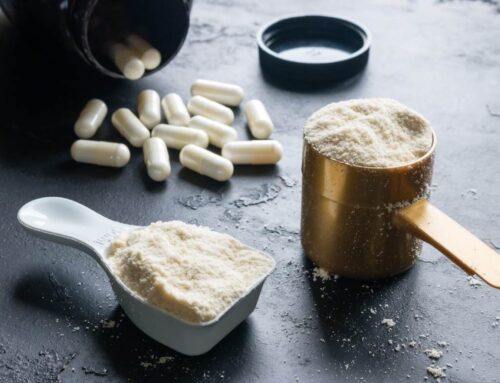
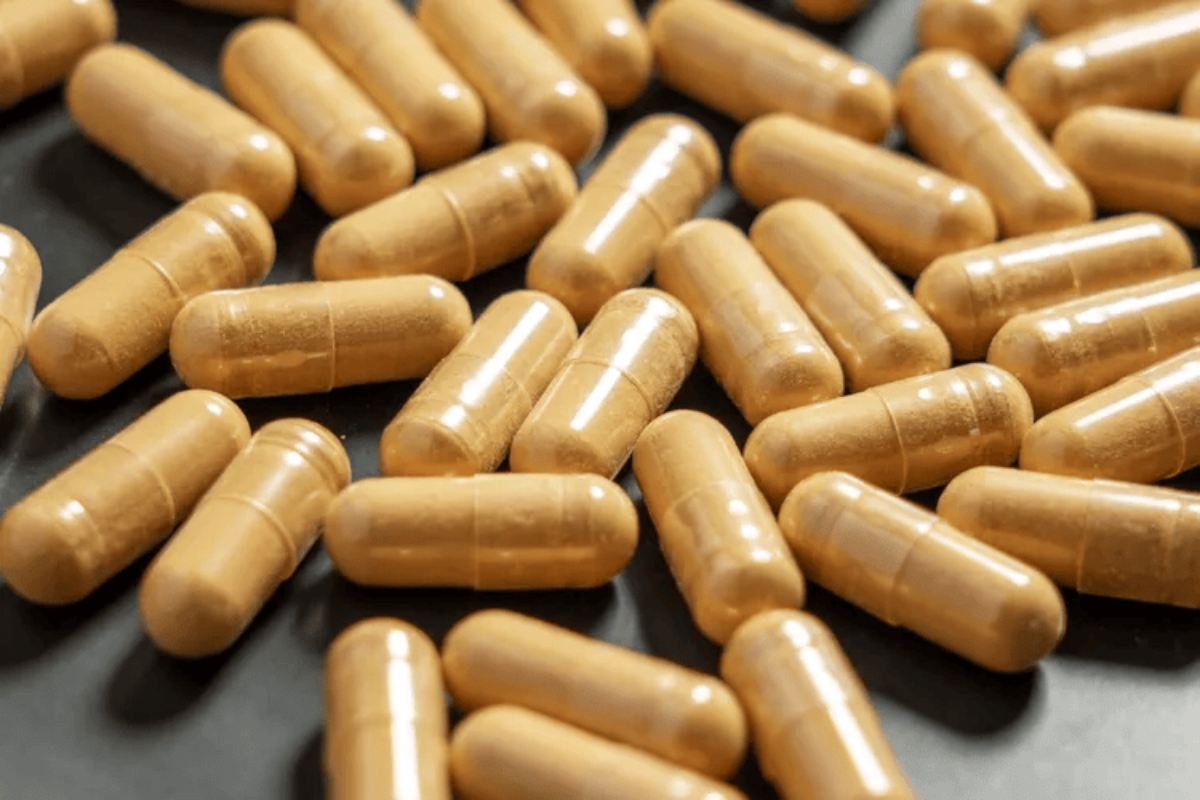
Capsules
- Custom Formulation: 2,000 – 10,000 bottles
- Private Label: 100 – 1,000 bottles
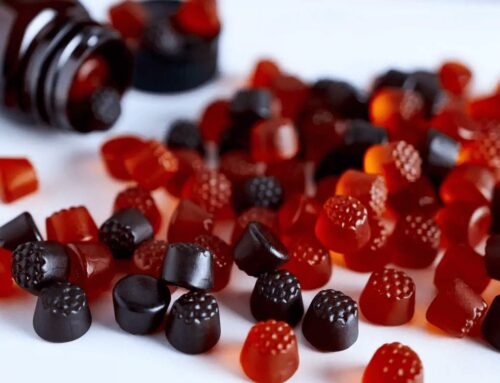
Gummies
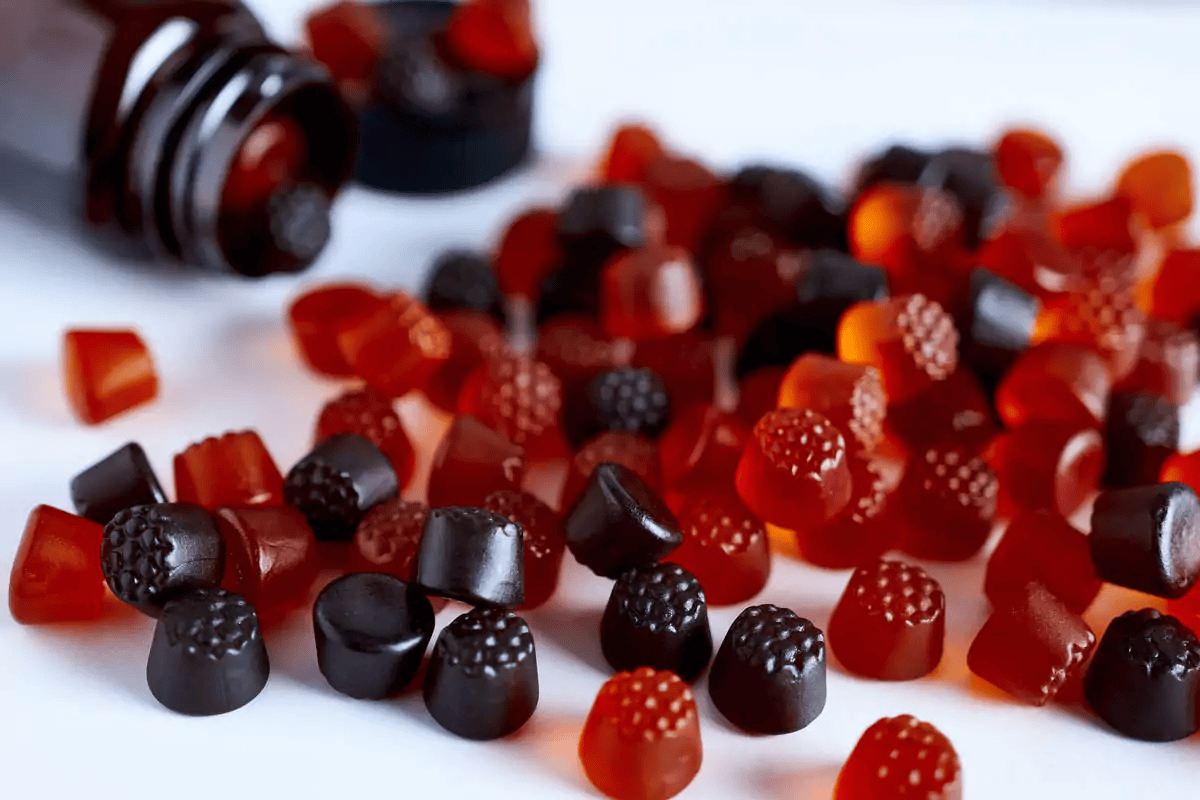
- Custom Gummies: 100,000 – 300,000 gummies (often 3,000–10,000 bottles depending on count)
- Private Label Gummies: 500 – 2,500 bottles
Powders
- Custom Powders: 300 – 1,500 kg (varies widely based on formula)
- Private Label Powders: 100 – 1,000 jars
Drinks / 2 oz Shots
- Custom Shots: 25,000 – 100,000 bottles
- Private Label Shots: 1,000 – 5,000 bottles
Sachets / Stick Packs
- Custom: 50,000 – 200,000 sticks
- Private Label: 5,000 – 20,000 sticks
These ranges give you a realistic idea of what to expect — though MOQs vary by manufacturer and specific formula.
Why MOQs Matter for Your Supplement Business
Understanding MOQs helps you make smarter decisions in:
1. Budgeting and Cash Flow
Your MOQ determines:
- Your first production investment
- Your inventory holding costs
- Your cost per unit
Planning around MOQs helps you avoid overspending and improves cash flow stability.
2. Product Launch Planning
Launching with products that have low MOQs allows:
- Faster testing
- Lower risk
- Quicker iteration
Starting small means you can refine your brand before scaling.
3. Pricing and Profit Margins
Higher MOQs typically reduce your cost per unit. But ordering more inventory ties up more capital. It’s a balance between better margins and cash availability.
4. Forecasting and Inventory Management
Understanding MOQs helps you plan:
- Reorder points
- Lead times
- Seasonal demand spikes
- Retail stocking needs
Brands that master this grow significantly faster.
When Should a Brand Choose a Higher MOQ?
Moving into higher MOQs makes sense when:
- You already have strong sales velocity
- You’re entering retail distribution
- You want better pricing and higher margins
- You’re running consistent ad campaigns
- You plan to scale aggressively in the next 12 months
Higher MOQs = lower cost per unit = better profitability.
When Should a Brand Stick to Lower MOQs?
Lower MOQs are ideal if you’re:
- Launching your very first product
- Testing new formulations
- Unsure about demand
- Building your brand identity
- Managing cash carefully
Start small, learn fast, then scale strategically.
Private Label MOQs vs. Custom MOQs
MOQs differ dramatically between private label and custom manufacturing.
Private Label MOQs Are Lower
Because the product is already formulated and stocked, manufacturers can produce smaller quantities. Private label is perfect for:
- New brands
- Online-only sellers
- Test launches
- Retail trial runs
Custom Manufacturing MOQs Are Higher
Custom formulations require:
- R&D
- Flavor testing
- Ingredient sourcing
- Packaging coordination
- Larger batch sizes
These steps justify higher minimums — but provide a product that’s 100% unique to your brand.
How to Choose the Right MOQ for Your Business
Here’s a simple guide based on your current stage:
If You’re a New Brand:
- Start with private label
- Choose SKUs with low MOQs
- Run small test batches
- Look for formats that let you scale fast (capsules, powders)
If You’re an Emerging Brand:
- Increase MOQs on best-sellers
- Experiment with custom flavors or limited editions
- Build inventory ahead of projected demand
If You’re a Scaling Brand:
- Move key SKUs into custom manufacturing
- Optimize costs with higher MOQs
- Prioritize efficiency, volume, and retail readiness
Big brands understand that MOQ strategy is a growth strategy.
How to Reduce MOQ Challenges
Here are smart ways to manage or reduce MOQ pressure:
- Start with private label to validate ideas
- Use multi-purpose packaging across SKUs
- Launch fewer SKUs with higher focus
- Forecast demand realistically
- Work with a manufacturer offering flexible MOQs
It’s not about ordering more — it’s about ordering smarter.
Final Thoughts: Master MOQs, Master Your Growth
MOQs aren’t obstacles — they’re tools. Once you understand how they work and how to plan around them, you can control your inventory, improve your margins, and scale your supplement brand with confidence.
In 2026 and beyond, the brands that succeed are the ones that balance ambition with strategy — knowing when to launch small, when to scale up, and when to double down on what works.
Partner with Enhanced Labs
At Enhanced Labs, we offer both low-MOQ private label and scalable custom manufacturing, giving you the flexibility to grow at your own pace. Whether you’re launching your first product or preparing for retail expansion, we provide the guidance, production capabilities, and packaging options you need to succeed — without overwhelming upfront commitments.
Our team helps you understand realistic MOQs, pricing tiers, forecasting strategies, and the smartest paths to scale.
Let’s build your next best-selling supplement — with an MOQ that matches your goals and growth.