
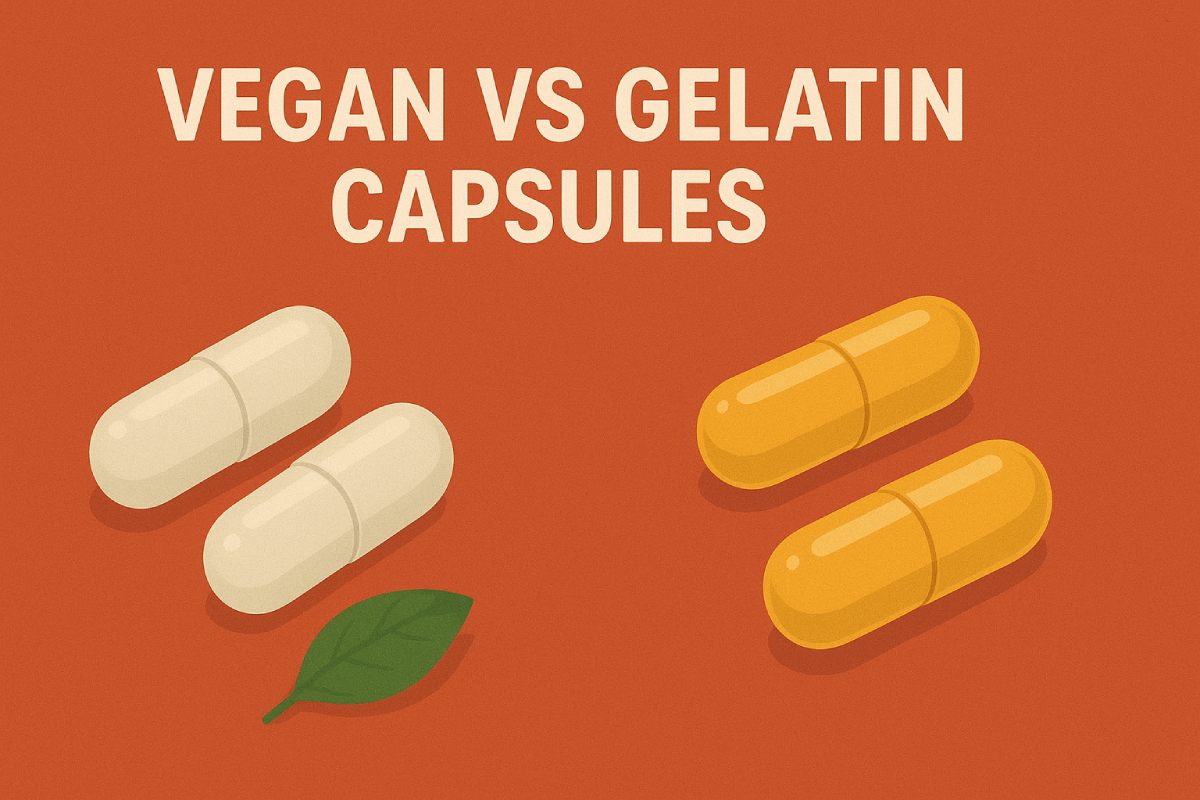
When it comes to supplement formulation, few decisions impact your brand’s image, audience reach, and compliance as much as the capsule type you choose. Whether you’re formulating probiotics, herbal extracts, or nootropics, the choice between vegan vs gelatin capsules is more than just an ingredient question — it’s a reflection of your brand’s values, target market, and product positioning.
In this guide, we’ll explore everything you need to know — from what each capsule type is made of to their performance, cost, and consumer perception — so you can make an informed decision for your next supplement line.
Introduction to Capsule Types
What Are Capsules in Supplements?
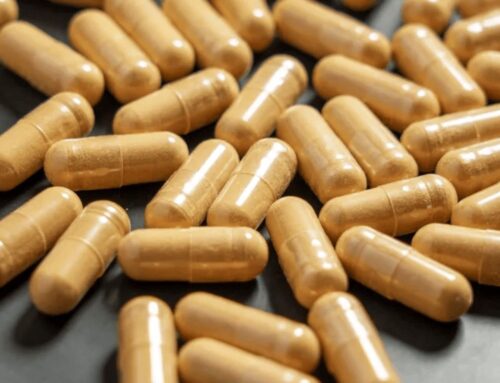
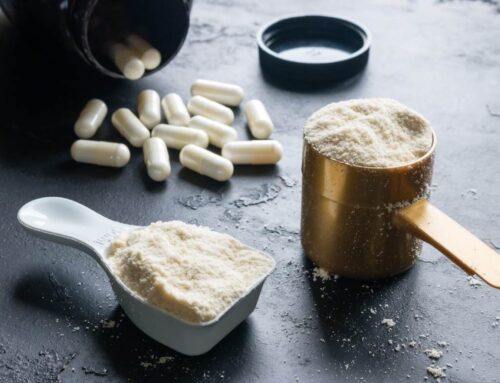
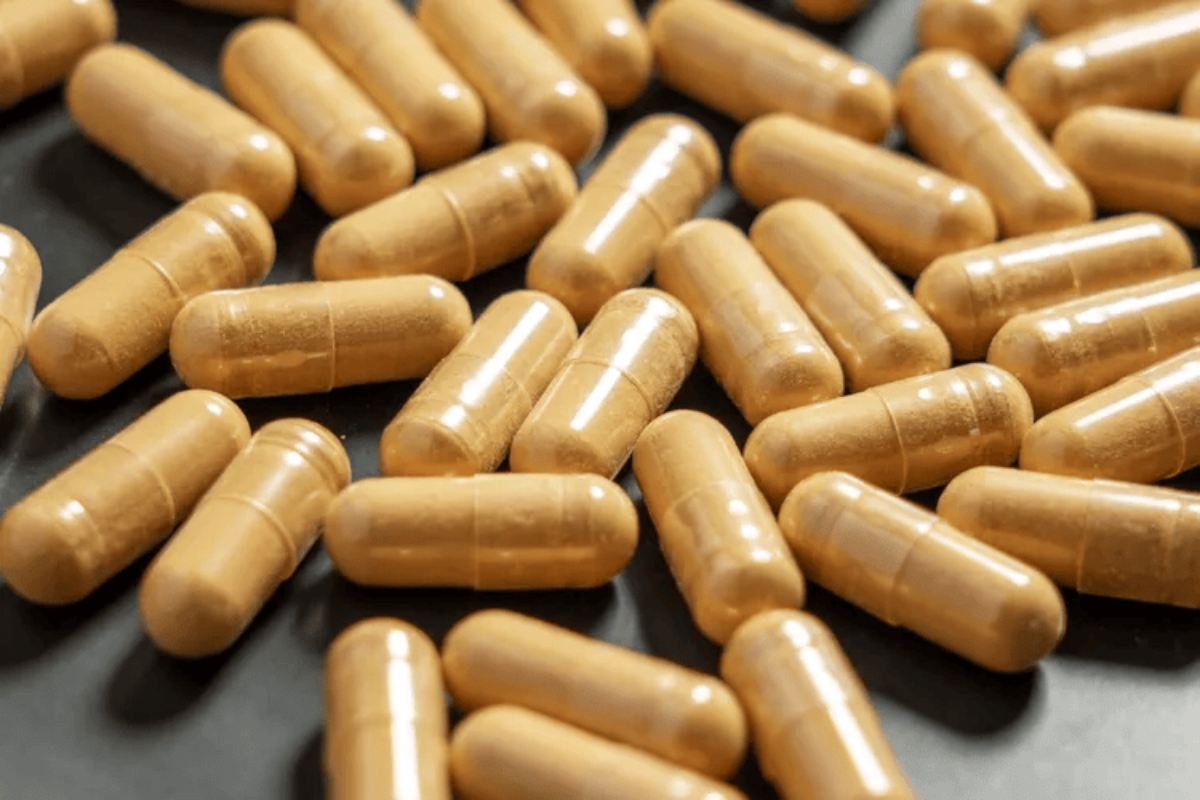
Capsules are one of the most popular delivery systems in the supplement and pharmaceutical industries. They’re easy to swallow, dissolve quickly, and offer excellent protection for sensitive ingredients.
In supplement manufacturing, capsules generally fall into two categories:
- Hard-shell capsules, typically used for powders or granules
- Softgels, used for oils and liquids
But beyond texture or format, the real distinction lies in the capsule material — gelatin or vegan alternatives.
Common Uses in Nutraceuticals and Pharma
Capsules are the go-to choice for products like:
- Multivitamins
- Herbal extracts
- Omega-3s and oils
- Adaptogens and nootropics
- Probiotics
They allow for precise dosing, minimal fillers, and versatile branding options — from transparent shells to colored, imprinted capsules that elevate your product’s visual appeal.
What Are Gelatin Capsules?
What Is Gelatin Made From?
Gelatin capsules are derived from animal collagen, typically sourced from bovine or porcine connective tissue. The gelatin is purified and processed into a flexible, tasteless material ideal for encapsulating powders or liquids.
Pros of Gelatin Capsules
- Excellent bioavailability: Gelatin dissolves easily in the stomach, releasing nutrients quickly.
- Smooth texture: Many consumers find gelatin capsules easier to swallow.
- Cost-effective: They’re less expensive to produce than plant-based alternatives.
- Stable and durable: Gelatin provides good moisture protection, extending product shelf life.
For traditional supplement brands or sports nutrition lines, gelatin capsules offer reliability and proven performance.
Drawbacks of Gelatin Capsules
However, gelatin capsules come with clear limitations — especially for modern consumers:
- Not vegan or vegetarian friendly
- Not suitable for halal or kosher products (unless certified)
- Sensitive to temperature and humidity fluctuations
- Potential concerns over animal sourcing transparency
As the wellness market shifts toward cleaner and more ethical ingredients, these factors are driving many brands to explore vegan capsule alternatives.
What Are Vegan Capsules?
What Are Vegan Capsules Made Of?
Vegan capsules are typically made from HPMC (hydroxypropyl methylcellulose) — a plant-derived polymer sourced from cellulose. Other options include pullulan, made from tapioca through a natural fermentation process.
Both materials are non-GMO, gluten-free, and animal-free, making them perfect for conscious consumers.
Benefits of Vegan/Vegetarian Capsules
- 100% plant-based and cruelty-free
- Suitable for kosher, halal, and vegetarian consumers
- Resistant to moisture and temperature changes
- Neutral taste and odor
- Compatible with a wide range of active ingredients
Vegan capsules also appeal to brands that emphasize sustainability, transparency, and inclusivity — values increasingly driving consumer choices.
Limitations or Considerations
- Slightly higher cost than gelatin
- May have slower dissolution depending on formulation
- Require specific moisture control during manufacturing
- Can be less flexible in softgel applications
Still, for many brands, the marketing and ethical advantages far outweigh these technical considerations.
Key Differences Between Vegan and Gelatin Capsules
Source and Composition
- Gelatin: Derived from animal collagen
- Vegan: Made from cellulose or tapioca fermentation
This distinction determines not just your ingredient label — but your product’s audience reach and certification potential.
Bioavailability and Dissolution Rate
Both capsule types dissolve effectively, though gelatin capsules dissolve slightly faster in warm or acidic environments. Vegan capsules can be fine-tuned to dissolve in specific regions of the digestive tract — ideal for targeted release formulas like probiotics.
Allergen and Dietary Concerns
Vegan capsules win here: they’re allergen-free, non-GMO, and gluten-free, appealing to the growing population of consumers with dietary restrictions or ethical preferences.
Shelf Life and Storage Needs
- Gelatin: Sensitive to humidity; can harden or stick together in heat.
- Vegan: More stable under varied storage conditions.
For brands shipping globally or storing large inventory volumes, vegan capsules provide longer shelf stability.
Environmental and Ethical Factors
Plant-based capsules are produced through sustainable, low-impact processes. Gelatin capsules, while biodegradable, rely on animal agriculture — a major factor for eco-conscious consumers.
Which Capsule Type Is Better?
For General Consumers
Both are effective, but vegan capsules cater to a broader audience. With consumers increasingly seeking clean-label, ethical products, vegan formulations tend to perform better in modern supplement markets.
For Dietary Restrictions (Vegan, Kosher, Halal)
Vegan capsules are naturally compliant and can carry certifications that open up distribution in kosher, halal, and vegetarian retail channels — a major plus for international or specialty brands.
For Manufacturers & Supplement Brands
If your target audience values cost efficiency and rapid dissolution, gelatin may suffice. But if your brand identity centers on innovation, sustainability, or inclusivity, vegan capsules are the smarter long-term investment.
Manufacturing Considerations
Impact on Labeling and Compliance
Choosing vegan capsules means you can display strong marketing claims like:
- “100% Plant-Based Capsules”
- “Vegan Certified”
- “Non-GMO and Gluten-Free”
These claims build trust, especially among consumers who research ingredient sourcing before purchase.
Cost & Sourcing Differences in Manufacturing
While gelatin capsules remain slightly cheaper, the cost gap has narrowed thanks to advances in plant-based capsule production. Many premium brands now view vegan capsules as a value-driven choice, not just an ethical one.
Choosing the Right Capsule as a Manufacturer
The decision ultimately depends on your target market, ingredient profile, and brand identity.
At Enhanced Labs, we help clients evaluate all aspects — from capsule compatibility and ingredient stability to label positioning and regulatory compliance — ensuring every formulation meets both performance and consumer expectations.
Final Thoughts: Making the Right Choice
The question of vegan vs gelatin capsules isn’t just about what works better in a lab — it’s about what aligns with your brand’s story and your audience’s values.
As consumers demand transparency and sustainability, vegan capsules are becoming the new industry standard. But the best choice is always the one that balances performance, compliance, and brand differentiation.
Partner with Enhanced Labs
At Enhanced Labs, we specialize in capsule manufacturing for both vegan and gelatin formats, offering full customization across size, color, formulation, and packaging.
Our state-of-the-art facility in Miami produces supplements for top brands nationwide — ensuring precision, purity, and scalability.
Whether you’re launching a new wellness line or upgrading an existing formula, Enhanced Labs provides the expertise, compliance, and innovation your brand deserves.
Let’s build your next breakthrough supplement — together.